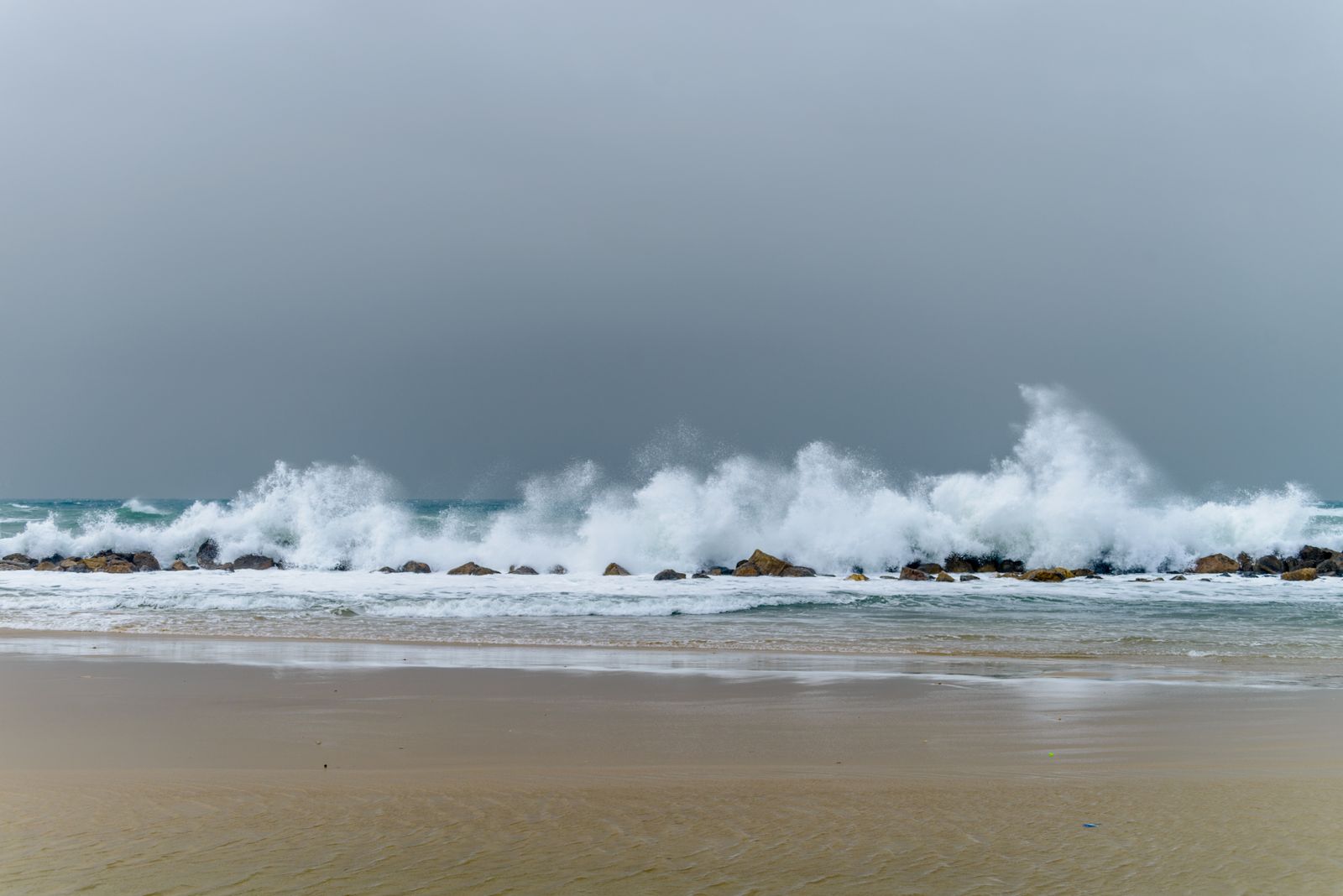
Most homeowners insurance policies do not cover flood damage, so if a nor'easter pushes water into your home, you generally need a separate flood policy to be protected. Flood coverage usually takes 30 days to kick in, which is why late October is the time to think about it, not the day the storm warning goes out.
I'm Anthony Abbatiello, and I've helped homeowners in Manchester Township, Whiting and across Ocean County with their insurance for more than 15 years. Nor'easters are part of life here from fall through early spring. They can bring days of wind, heavy rain, coastal flooding and, later in the season, snow and ice. Here's what I walk people through in my office on Route 37.
Homeowners vs. flood: what's the difference?
The New Jersey Department of Banking and Insurance (DOBI) explains in its consumer guide that homeowners policies exclude property damage caused by flood. FEMA's National Flood Insurance Program says the same thing on FloodSmart.gov: most homeowners insurance does not cover flood damage, and only flood insurance covers the cost of rebuilding after a flood.
That surprises a lot of people. Your homeowners policy may respond to some storm damage, like wind tearing off shingles or a tree limb coming through the roof, depending on your policy's terms. But water rising from the ground up, whether it's from the bay, a swollen creek or overwhelmed storm drains, is generally a flood claim.
You don't have to live on the water
Some of my Manchester and Whiting customers tell me, "I'm not near the ocean, so I don't need flood insurance." DOBI points out that you don't have to live in a flood zone to buy flood insurance. You do have to live in a community that participates in the NFIP. FloodSmart puts it simply: where it rains, it can flood.
You can look up your address on FEMA's flood maps through FloodSmart's flood zone page. Renters can buy flood coverage for their belongings too.
The 30-day waiting period
According to FloodSmart, NFIP flood coverage generally goes into effect 30 days after purchase. There are a few exceptions. For example, there's no wait if you buy it while making, increasing, extending or renewing a mortgage.
In plain terms, if you wait until a nor'easter is in the forecast, it's usually too late for that storm. That's why I bring it up in October.
A simple nor'easter prep list
FEMA's Ready.gov winter weather guidance notes that winter storms can last for days and cut off heat, power and communication. A little prep goes a long way.
- Know your alerts. A Winter Storm Watch means a storm is possible. A Winter Storm Warning means hazardous weather is coming or already here.
- Clear gutters and storm drains near your home so rain has somewhere to go.
- Move valuables off the basement floor and keep important papers in a waterproof container.
- Make a home inventory. DOBI recommends going through every room, taking pictures or video, and storing the inventory somewhere other than your house.
- Have a plan for power outages, including flashlights, batteries and a way to charge your phone. Never run a generator indoors or in a garage.
Questions to ask about your policy
When I review a homeowners policy this time of year, I ask.
- Do you have flood insurance, and does it cover both the building and your belongings? NFIP building and contents coverage are separate.
- What is your wind or hurricane deductible, if your policy has one?
- Do you have sewer backup or sump pump overflow coverage? DOBI lists sewer backup and sump pump overflow among the things most homeowners policies don't cover, and notes that limited coverage may be available separately as an endorsement, subject to terms, conditions and availability.
- Is your home inventory up to date?
I can't promise how any particular claim will turn out, since that depends on the policy and the facts. But I can help you understand what you have before the weather turns.
FAQ
Does homeowners insurance cover flood damage in New Jersey?
Generally, no. NJ DOBI and FEMA both say most homeowners policies exclude flood. Flood coverage is usually a separate policy.
How long does it take for flood insurance to start?
FloodSmart says NFIP coverage generally takes effect 30 days after purchase, with a few exceptions, such as buying it while closing on a mortgage.
Do I need flood insurance if I'm not in a flood zone?
It isn't usually required outside high-risk zones, but you can buy it if your community participates in the NFIP. FEMA notes that flooding can happen anywhere.
Can renters get flood insurance?
Yes. The NFIP offers contents coverage for renters.
Let's take a look together
If you'd like to talk through flood coverage or your homeowners policy before the next storm, call me at 732-504-0301, text 732-914-1212, or stop by the office at 1980 Rt 37 W, Suite 7, in Manchester. Walk-ins are welcome. Stay safe and dry.
Anthony Abbatiello, Agent for Allstate, Abbatiello Financial Group. Licensed in NJ and PA.
Coverage is subject to policy terms, conditions and availability. Not all discounts apply in every state.
Photo: Michael Goyberg via Pexels